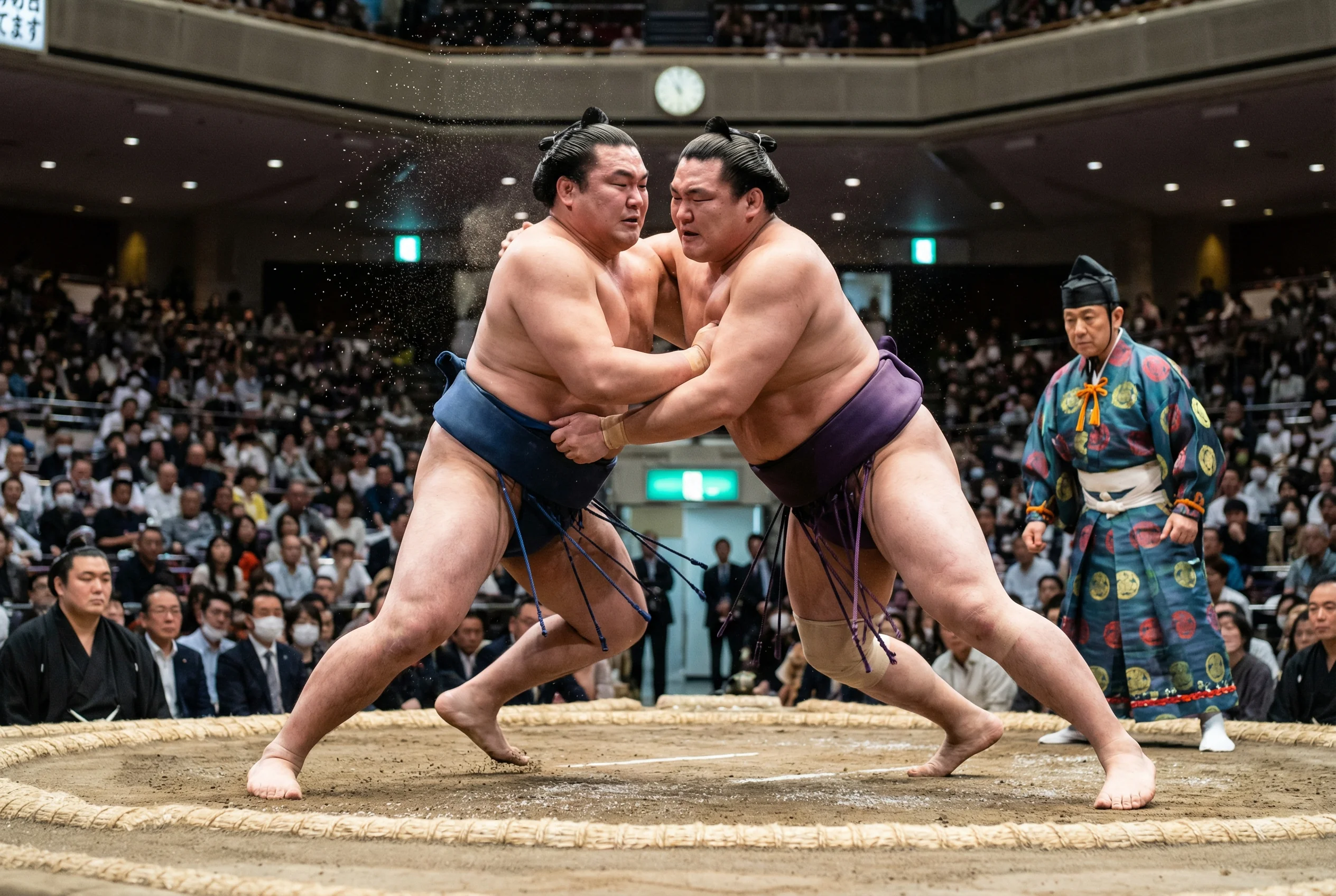
The 2025 sumo tournament calendar spans six major tournaments held across Japan throughout the year, with three prestigious tournaments at the legendary Ryogoku Kokugikan in Tokyo. Whether planning an in-person visit or watching from abroad, this complete guide covers everything you need to know.
📅 Full 2025 Grand Sumo Tournament Calendar
The Japan Sumo Association organizes six tournaments annually, each lasting 15 days. The 2025 schedule reflects the traditional tournament rotation across different venues.
| Tournament | Location | Dates | Tickets On Sale |
|---|---|---|---|
| January (Hatsu Basho) | 🗼 Ryogoku Kokugikan, Tokyo | January 12–26, 2025 | December 7, 2024 |
| March (Yayoi Basho) | 🏯 EDION Arena, Osaka | March 9–23, 2025 | February 1, 2025 |
| May (Gogyo Basho) | 🗼 Ryogoku Kokugikan, Tokyo | May 11–25, 2025 | April 5, 2025 |
| July (Nagano Basho) | 🏯 IG Arena, Nagoya | July 13–27, 2025 | May 31, 2025 |
| September (Aki Basho) | 🗼 Ryogoku Kokugikan, Tokyo | September 14–28, 2025 | August 2, 2025 |
| November (Kyushu Basho) | 🏯 Fukuoka Kokusai Center | November 9–23, 2025 | October 4, 2025 |
Highlighted rows indicate Ryogoku Kokugikan (Tokyo) tournaments. For detailed ticketing information and booking strategies, see our complete ticket buying guide.
🗼 Ryogoku Tournaments: Tokyo's Holy Trinity
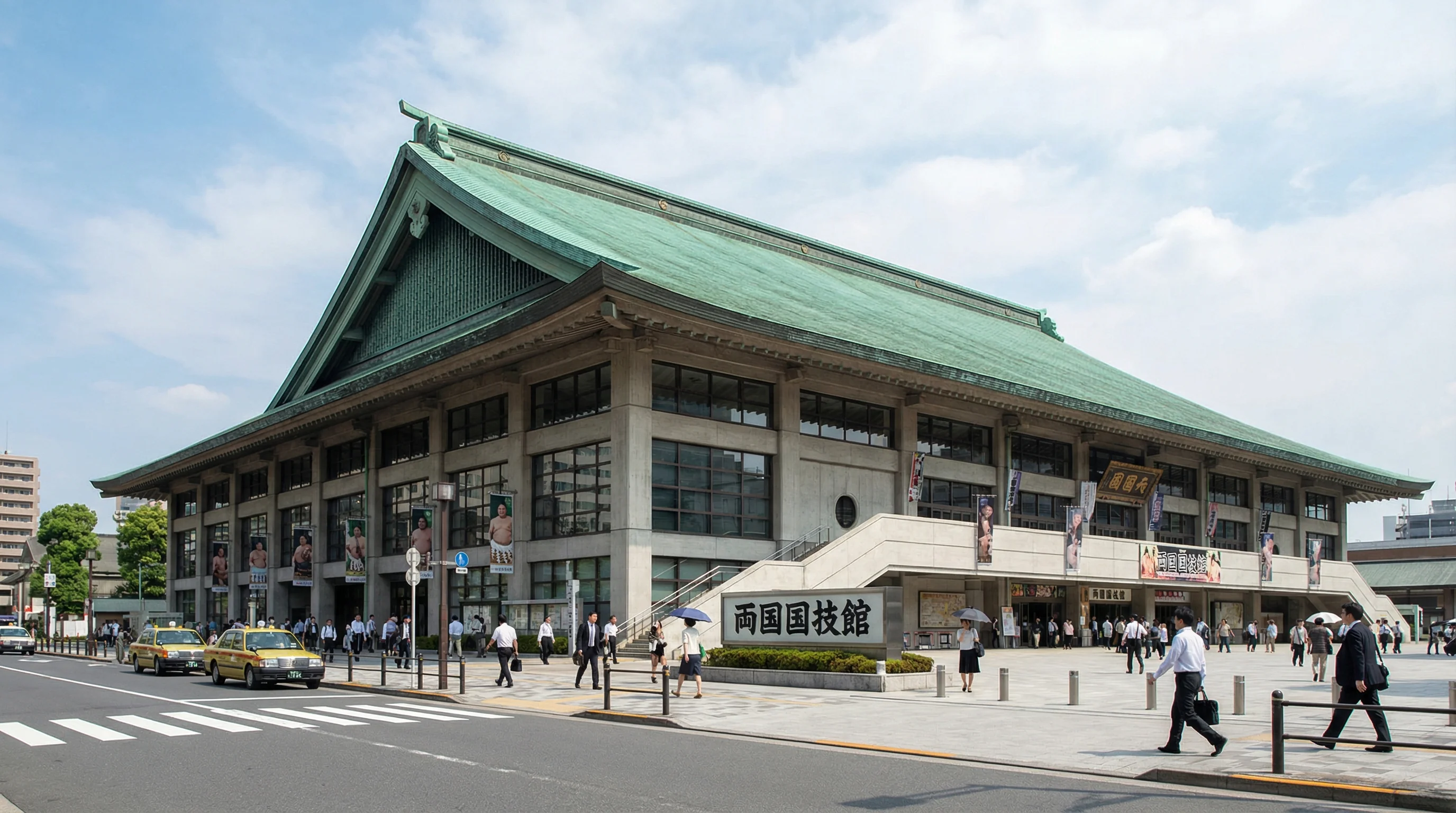
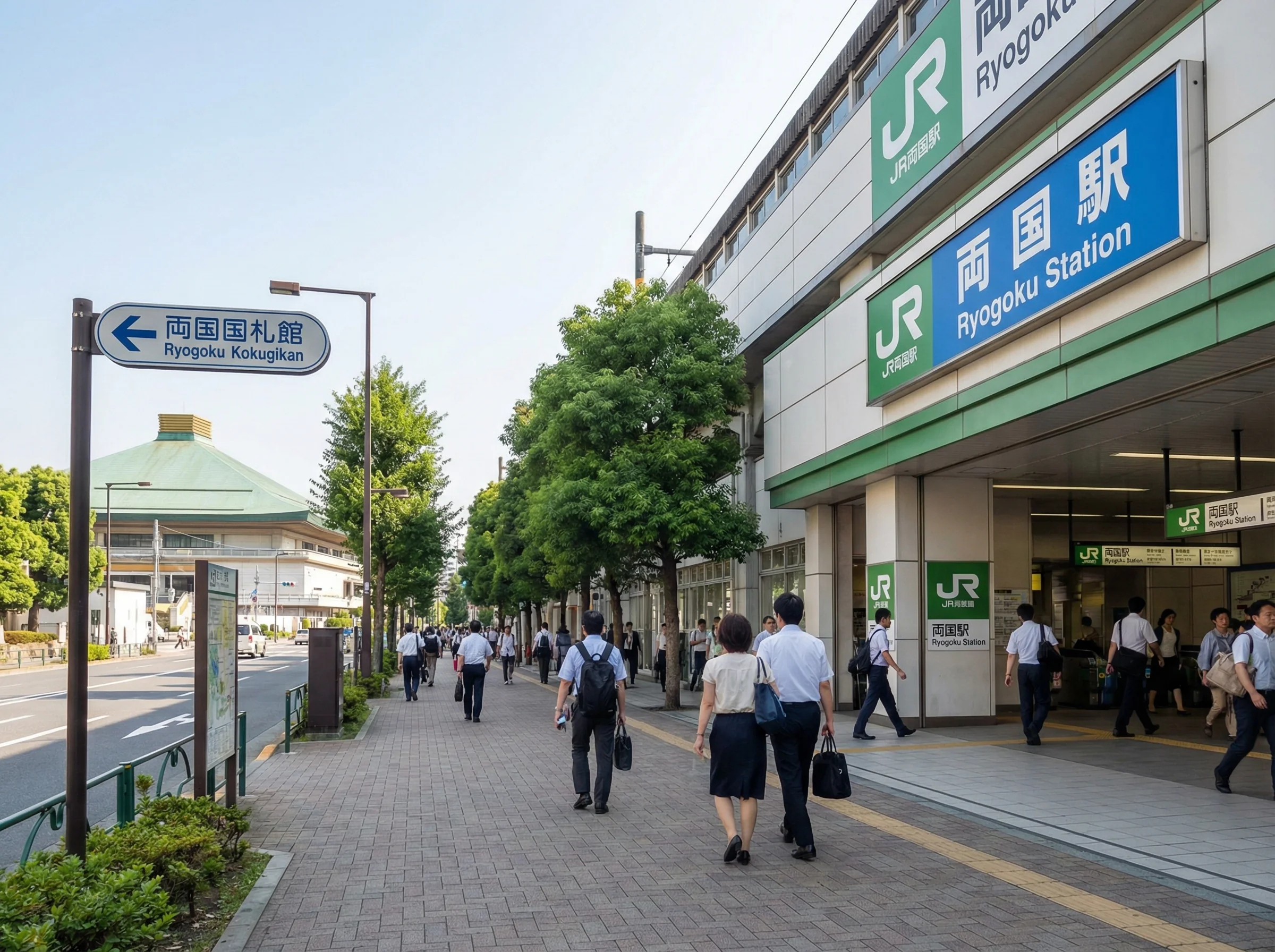
Three tournaments take place at the Ryogoku Kokugikan, sumo's most iconic venue located in central Tokyo. These tournaments are considered the most prestigious and draw the largest crowds.
January (Hatsu)
Launches the sumo calendar
May (Gogyo)
Spring championship
September (Aki)
Autumn tournament
The three Tokyo tournaments span different seasons - winter (January), spring (May), and autumn (September) - each with unique weather considerations. Check our seasonal clothing guide to dress appropriately for your visit.
Why Choose Ryogoku?
- ✅ Most prestigious venue - sumo's spiritual home
- ✅ Central Tokyo location - easy access (see our directions guide)
- ✅ Best atmosphere - passionate local crowds
- ✅ Sumo Museum on-site - free admission
- ✅ Nearby stables - visit morning practice too (read our free morning practice guide)
🏯 Other Tournament Venues
🏯 Osaka (March)
EDION Arena Osaka hosts the March tournament, positioning it as the second major venue on the annual circuit. This location appeals to visitors seeking to explore Japan's second-largest metropolitan area while experiencing sumo culture outside Tokyo's intensity.
🏯 Nagoya (July)
IG Arena provides modern facilities for the July tournament while maintaining the traditional sport's essence. Perfect for fans in central Japan.
🏯 Fukuoka (November)
Fukuoka Kokusai Center hosts the November Kyushu Basho, concluding the annual tournament calendar. This final tournament determines rankings for the following year, making it crucial for understanding wrestler progression.
Regional Tournament Benefits
- 💰 Lower ticket prices than Tokyo
- 🎫 Better availability - easier to get tickets
- 🏙️ Explore different cities - Osaka, Nagoya, Fukuoka
- 👥 Local atmosphere - authentic regional culture
⏰ Daily Tournament Timeline: What to Expect
Sumo tournaments follow a remarkably consistent daily schedule, allowing visitors to plan their attendance strategically based on which divisions they wish to watch. For a comprehensive hour-by-hour breakdown with arrival time recommendations, see our complete tournament day timeline.
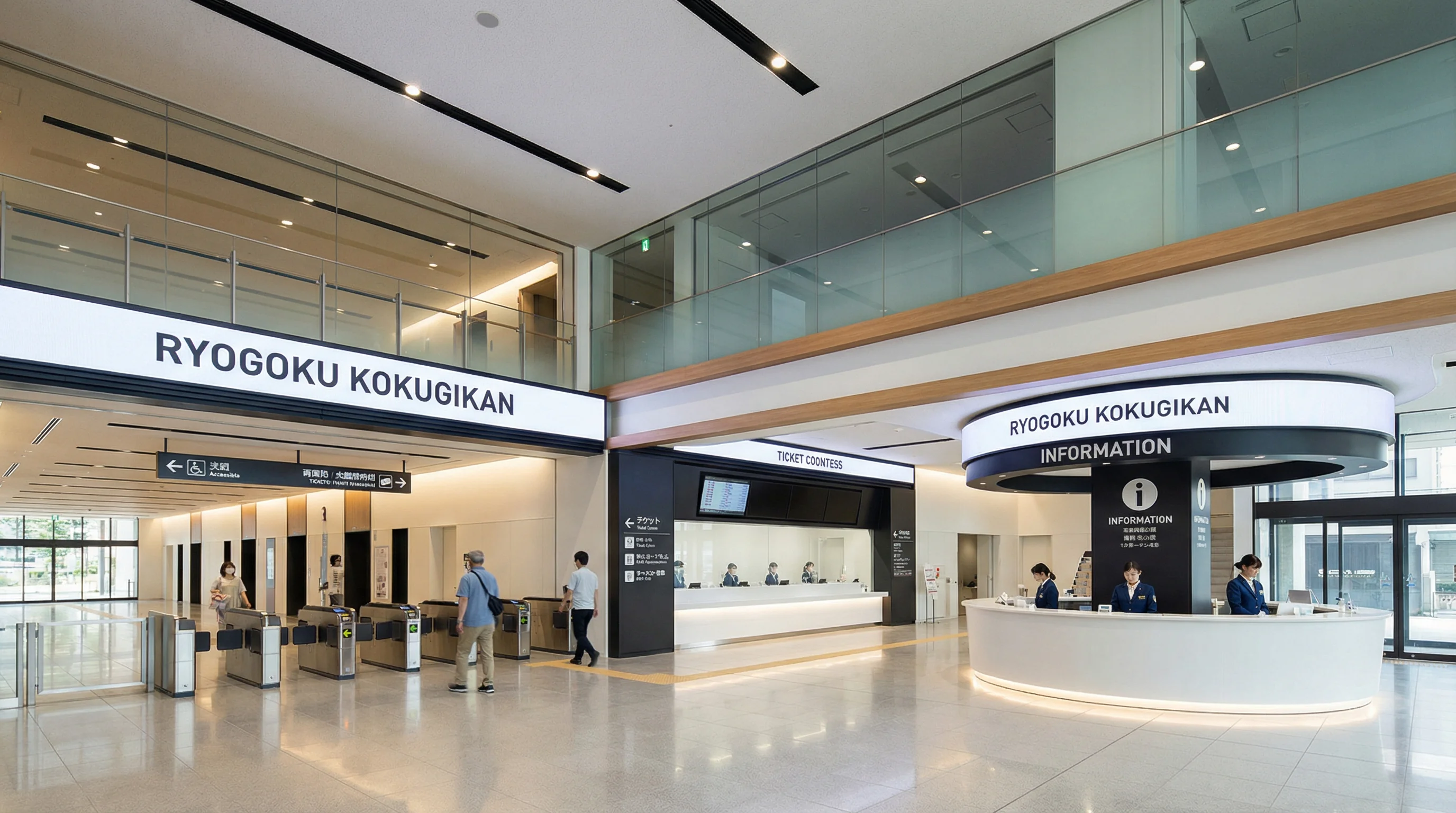
📅 Typical Tournament Day Schedule
🌅 8:00–8:30 AM: Doors Open
Early arrival secures optimal viewing positions and allows exploration of the venue's sumo-themed attractions and merchandise. Ryogoku typically opens at 9:30 AM.
⚔️ 8:30 AM–2:00 PM: Lower Division Matches
Jonokuchi, jonidan, sandanme, and makushita wrestlers compete. These young rikishi display raw determination and intense competition. Attendance is minimal during these hours, providing an intimate atmosphere and prime seating opportunities.
🥈 2:30–3:40 PM: Juryo Division
Second-highest division matches. Wrestlers here are one step away from the makuuchi elite, and their bouts showcase refined technique and strategic depth.
🎭 3:40 PM: Ring-Entering Ceremony (Dohyo-iri)
The spectacular makuuchi wrestler entrance. This ceremonial procession showcases wrestlers advancing to the ring in ranked order, wearing ornate silk aprons. The atmosphere shifts from routine competition to cultural grandeur.
🏆 5:00–6:00 PM: Top Division (Makuuchi) Matches
The highest-ranked wrestlers compete late in the afternoon. Yokozuna (grand champions) and ozeki (second-rank champions) typically perform between 5:00–6:00 PM. The final matches feature the tournament's most celebrated competitors, often deciding championship outcomes.
🎭 Tournament Ceremonies and Traditions
Beyond the wrestling itself, special events and ceremonial elements define the sumo tournament experience.
🙏 Dohyo-Matsuri (Ring Consecration Ceremony)
Held the day before the tournament opens, this sacred Shinto ritual purifies the ring before competition begins. The ceremony involves burying sacred items (salt, squid, rice, chestnuts) in the dohyo's center to invite kami (Shinto deities) and ensure purity.
💡 Insider Tip
Though not widely publicized, these ceremonies are typically open to the public, offering visitors a glimpse into sumo's spiritual foundations.
🎌 Yokozuna Dohyo-Iri (Grand Champion Ceremony)
This breathtaking ritual follows the makuuchi wrestlers' entrance. Only yokozuna perform this ceremony, showcasing elaborate movements, powerful stomps (shiko), and dynamic poses while wearing ceremonial aprons and a sacred rope.
🏹 Yumitori-Shiki (Bow-Twirling Ceremony)
Concluding each tournament day, a designated wrestler spins an oversized bow in the dohyo in a ritual rooted in samurai traditions, symbolizing victory and gratitude to the kami.
🎫 Tournament Ticket Options
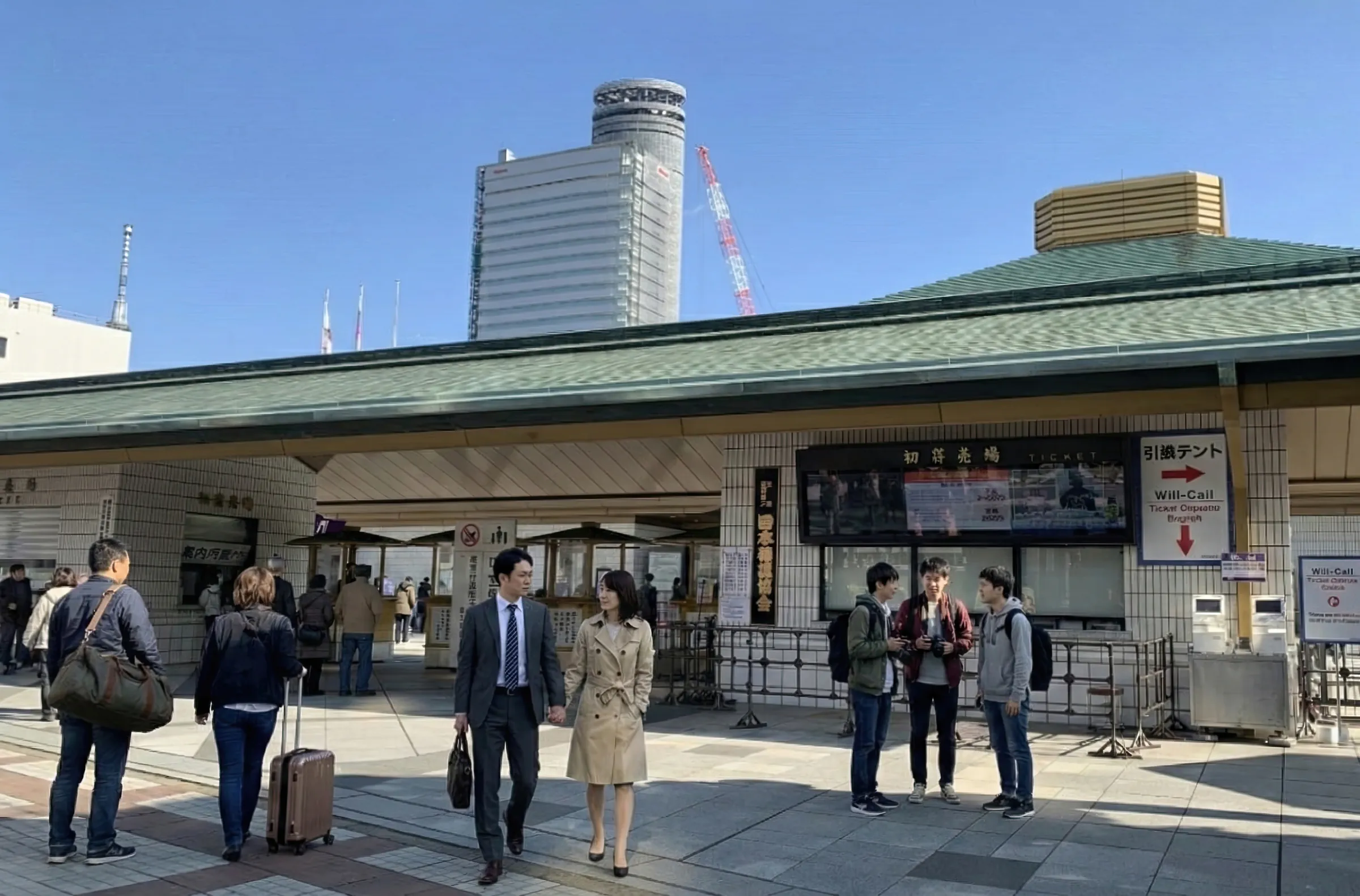
Single-Day Tickets
Provide flexibility and are available for individual tournament days. Prices vary based on day and seating:
- Chair Seats C (highest, rear balcony): ¥3,500 weekday / ¥4,000 weekend
- Chair Seats B: ¥5,000 weekday / ¥5,500 weekend
- Chair Seats A: ¥8,000 weekday / ¥8,500 weekend
- Box Seats (Masu) (4-person minimum): ¥40,000–52,000 per box
💰 Budget Tip
Weekday tickets represent excellent value, especially for the lower divisions viewed during morning hours. Final days (Days 13–15) and weekends command premium pricing.
Strategic Day Selection
Day 1 & Day 8
Free international broadcast - good for newcomers
Day 15 (Finals)
Championship drama - highest prices
Mid-Tournament
Weekdays balance cost & competition quality
See our complete Ticket Buying Guide for step-by-step purchase instructions.
📺 How to Watch Live: Japan vs. International Options
🇯🇵 Attending in Japan
Tickets for Tokyo tournaments at Ryogoku Kokugikan sell online through the official Japan Sumo Association website and authorized vendors. Advance booking is strongly recommended, particularly for weekends and final days.
- Most vendors accept international credit cards
- English-language interfaces available
- Same-day tickets sometimes available for weekday lower-division sessions
🌍 International Broadcasting
📡 NHK World-Japan (FREE)
Provides free live coverage of Days 1, 8, 14, and 15 for all six tournaments through its website and streaming app, accessible worldwide without a VPN.
- Live broadcasts: 5:10 PM JST (except Day 15, starting at 4:30 PM JST)
- "Grand Sumo Highlights": Condensed match coverage with English commentary, twice daily during tournaments
- Accessibility: Website, mobile app, no subscription required
📺 Premium Options
- TVJapan (North American cable) - Full two-hour makuuchi matches daily with English/Japanese audio
- YouTube & streaming platforms - Occasionally feature live streams (check official JSA announcements)
🏆 2025 Tournament Champions and Notable Results
The 2025 sumo season produced dramatic moments and champion performances across all divisions.
| Tournament | Champion | Record | Notable Achievement |
|---|---|---|---|
| January | Hoshoryu | - | 74th Yokozuna reinforces dominance |
| March | Onosato | - | First makuuchi championship |
| May | Onosato | - | Back-to-back titles, promoted to yokozuna |
| July | Kotoshoho | 13-2 | Breakthrough championship as lowest-ranked competitor |
| September | Onosato | - | First championship as yokozuna, defeated Hoshoryu in playoff |
| November | Aonishiki (Ukraine) | 12-3 | First Ukrainian top division champion |
🌟 Historic Moment
East Sekiwake Aonishiki (Ukraine) made history in November 2025, becoming the first Ukrainian wrestler to achieve sumo's top division title. He earned both the Outstanding Performance Award (Shukun-sho) and the Technique Prize (Gino-sho).
🗺️ Planning Your Tournament Visit
✅ Pre-Visit Checklist
- ☐ Book tickets 1-2 months in advance for optimal selection
- ☐ Choose your tournament (Tokyo = most prestigious, regional = better availability)
- ☐ Select strategic day (Day 1/8 free broadcast, Day 15 finals, mid-week budget)
- ☐ Reserve hotel near venue (Ryogoku area for Tokyo tournaments)
- ☐ Plan arrival time (early for lower divisions, 3 PM for ceremonies)
- ☐ Check weather and dress appropriately (see our What to Wear guide)
- ☐ Bring comfortable clothes for extended sitting
- ☐ Cash for merchandise and food vendors
💡 Pro Tips
- Arrive early to secure preferred seating and explore the venue
- Visit morning practice before the tournament (see our Morning Practice Guide)
- Expect a full 10-hour experience - tournaments are cultural immersion
- Bring a cushion if sitting in masu seats (floor seating)
- Download NHK World app for free highlights and coverage
🎯 Summary
Sumo tournaments represent one of Japan's most accessible cultural experiences, transcending language barriers through universal appreciation for athletic prowess, discipline, and ancient tradition. Whether attending in person or watching internationally, the 2025 tournament calendar offers six opportunities to witness this magnificent sport.
Quick Reference
- 🗼 Tokyo tournaments: January, May, September
- 🏯 Regional tournaments: Osaka (March), Nagoya (July), Fukuoka (November)
- ⏰ Best viewing time: 3:40-6:00 PM (ceremonies + top division)
- 🎫 Ticket release: ~1 month before each tournament
- 📺 Free watching: NHK World-Japan (Days 1, 8, 14, 15)