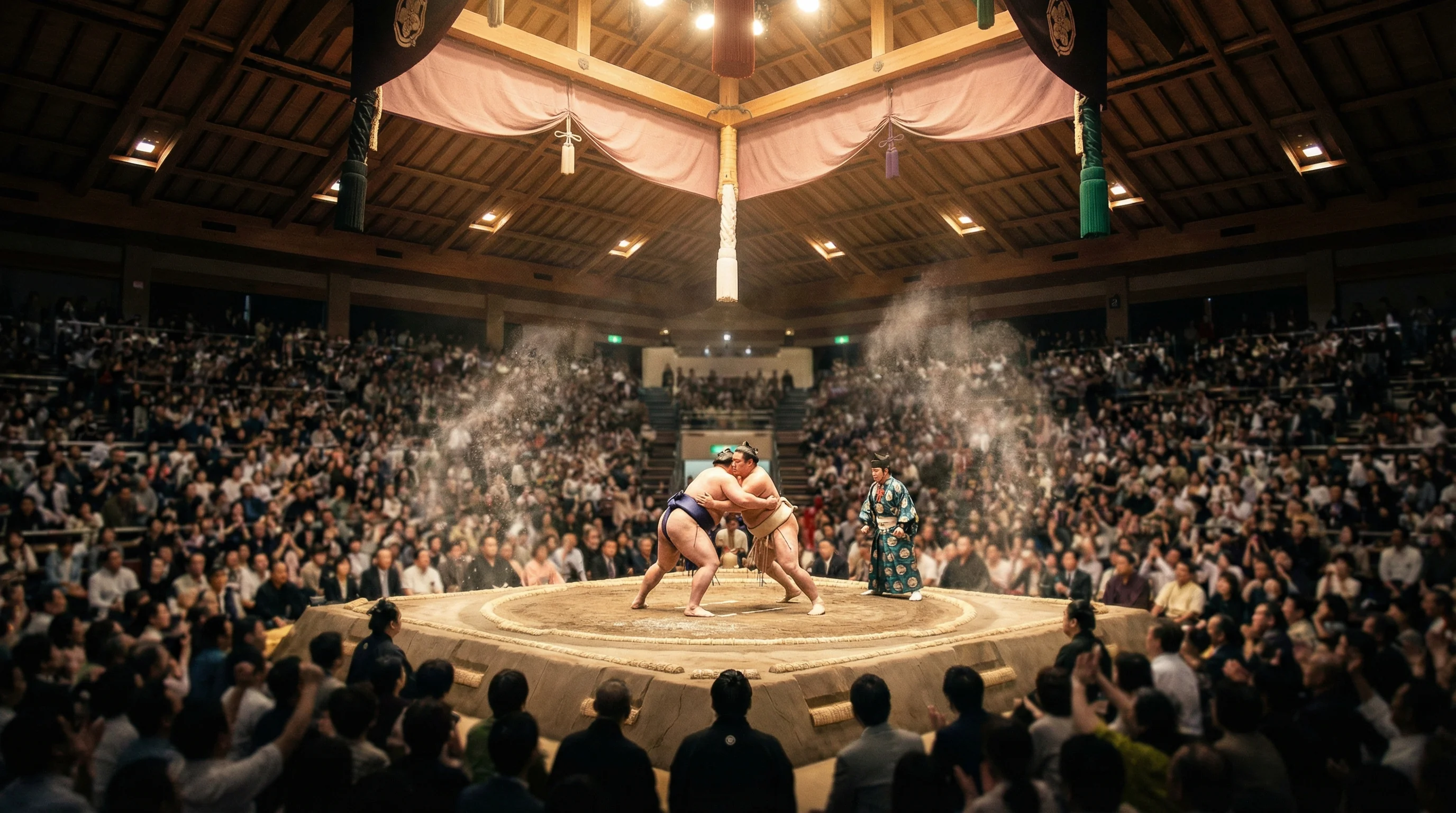
⏰ TL;DR - Best Arrival Times
- 2:00-3:00 PM: Most popular - catch jūryō ceremony + all top division matches
- 1:00-1:30 PM: Better photos, less crowded, see more preliminary action
- 8:00 AM: Die-hard fans only - watch entire 10-hour marathon from start
- Days 13-15: Schedule shifts 30 minutes earlier (gates 10:30 AM, closes 6:00 PM)
🌅 Gates Open and Early Morning Sessions (8:00 AM – 10:00 AM)
The venue opens its doors around 8:00 AM, marking the start of a full day of sumo. The atmosphere during these early hours is quiet and intimate compared to later in the day. This is when the preliminary bouts featuring wrestlers from the lowest divisions - jonokuchi and jonidan - begin around 8:30 AM. These are young wrestlers or those returning from injury who form the foundation of professional sumo.
🎯 Who Should Arrive This Early?
Early morning sessions are ideal for:
- Dedicated sumo enthusiasts who want to see every division
- Photography buffs seeking uncrowded shooting opportunities
- Those following specific lower-division wrestlers
- Visitors wanting the complete "full day" experience
Reality Check: Attendance during morning sessions is minimal. The arena feels cavernous and quiet - very different from evening energy.
Because attendance during these morning sessions is minimal and matches involve less experienced wrestlers, you'll notice a markedly different energy. However, dedicated sumo enthusiasts and serious fans consider these bouts essential viewing, as every match determines a wrestler's path forward in the sport.
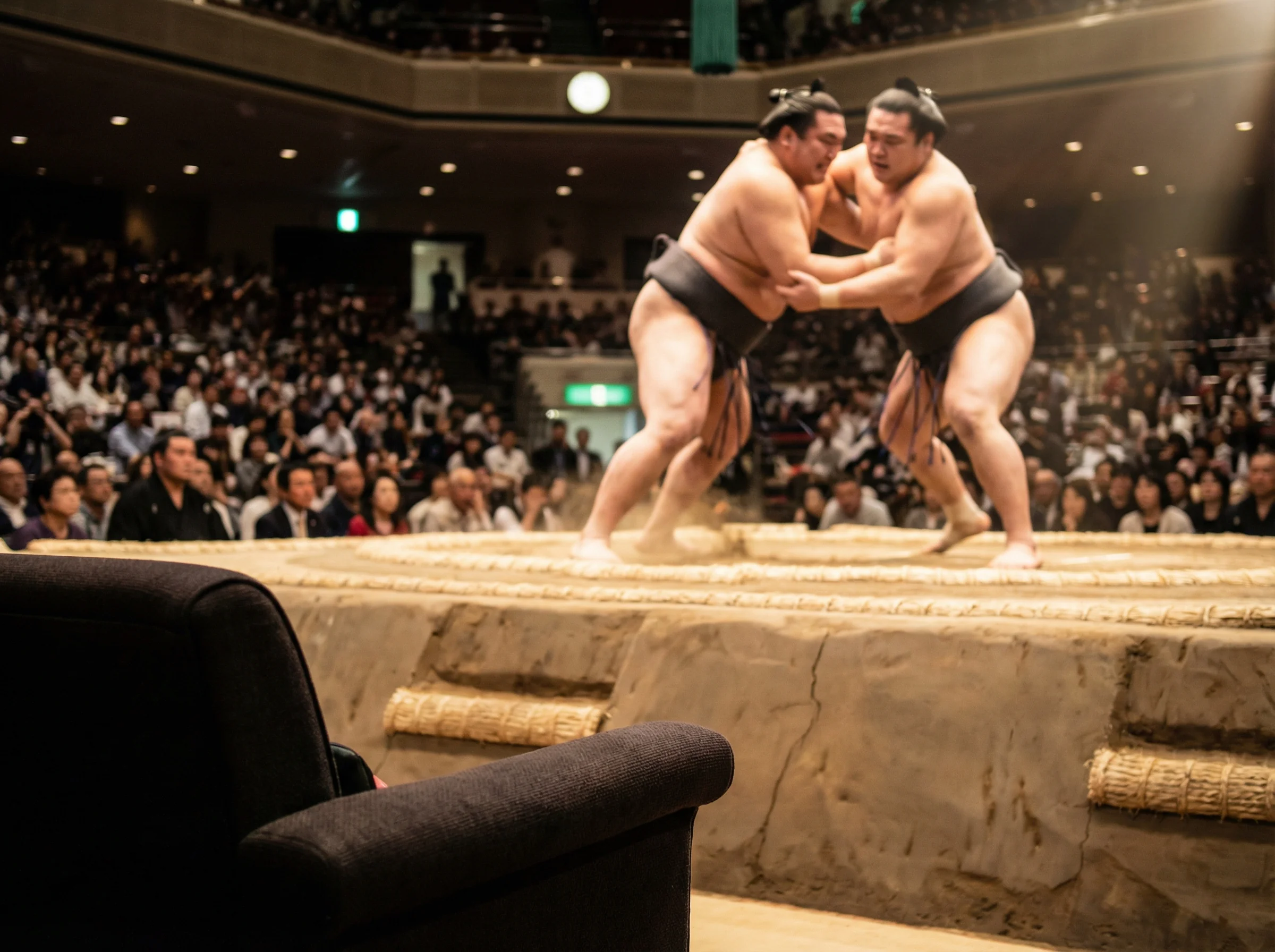
🌤️ Late Morning to Early Afternoon (10:00 AM – 3:00 PM)
The preliminary bouts continue throughout the late morning and early afternoon hours. Around 10:00 AM on days 13–15 of the tournament (the final stretch), the opening times shift forward by 30 minutes to accommodate the end-of-day victory ceremony.
Spectators typically begin arriving around midday to early afternoon, with many choosing between 1:00 PM and 2:30 PM as their entry time. This timing allows visitors to skip the early morning lower divisions while still catching action-packed matches before the main event.
🍱 Pro Tip: Food & Refreshment Strategy
Many visitors take advantage of this window (1:00-2:30 PM arrival) to:
- Enjoy food and refreshments before main competition
- Explore vendor stalls without crowds
- Find their seats and get comfortable
- Take photos of the empty arena
🥈 Second Division Match (Jūryō) – Around 2:40 PM to 3:45 PM
Around 2:40 PM (15:00) in tournament schedules, the jūryō (second division) matches begin. This is when the energy in the stadium noticeably increases. The jūryō is the lowest salaried division, featuring wrestlers who have achieved professional status and compete for higher rankings.
Before the jūryō bouts commence, there is a ring-entering ceremony (dohyō-iri) around 2:15 PM (14:15). During this captivating ritual, wrestlers enter the ring in elaborate, colorful aprons called kesho-mawashi - each uniquely designed and often featuring sponsorship logos.
The ceremony showcases the ceremonial and spiritual aspects of sumo, with higher-ranked wrestlers performing special purification movements. This visual spectacle is one of sumo's most recognizable traditions, with the current system of ranking-based entries adopted in 1965 to enhance entertainment value.
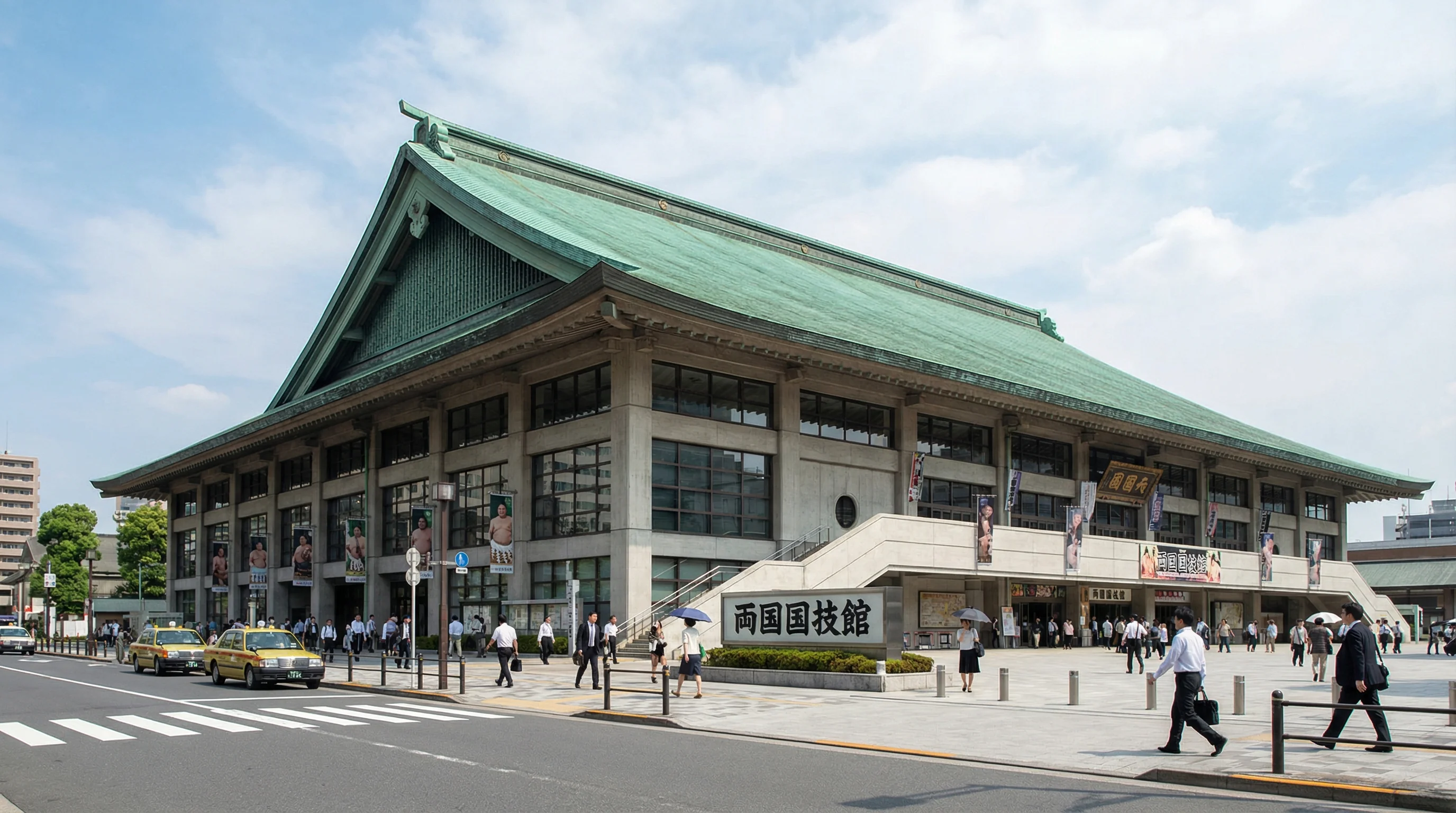
🥇 Top Division Match (Makuuchi) – Around 4:00 PM Onward
The main event - makuuchi (top division) matches - typically commence around 4:00 PM (16:00). This is when most spectators arrive, as these are the most intense, high-energy matches of the day between the sport's elite wrestlers.
📊 Makuuchi Division Structure
The makuuchi division features a maximum of 42 wrestlers divided into five ranks:
- Yokozuna (横綱): Grand Champion - highest rank
- Ōzeki (大関): Champion - second highest
- Sekiwake (関脇): Third highest
- Komusubi (小結): Fourth highest
- Maegashira (前頭): Rank-and-file top division wrestlers
Matches last seconds to minutes depending on technique and wrestler dominance. The tension builds as wrestlers climb in rank throughout the evening.
The makuuchi division encompasses wrestlers from the lowest-ranked maegashira (near-bottom tier of top division) all the way up to yokozuna (grand champion) - the sport's supreme title. The top-ranked wrestlers have their matches in the final stretch of the evening, just before 6:00 PM, building dramatic tension as championship races often come down to these crucial late-day bouts.
🌆 Late Afternoon - Highest-Ranked Matches (5:30 PM – 6:00 PM)
The highest-ranked wrestlers' matches occur around 5:30 PM to 6:00 PM. These include encounters involving san'yaku (champion-ranked wrestlers), ōzeki (second-highest rank), and yokozuna. These matches draw the most enthusiastic crowd responses and represent the pinnacle of competitive sumo wrestling.
Yokozuna, who are viewed with reverence in Japanese culture, have their bouts scheduled as the tournament's final matches (excluding the closing ceremony). The anticipation builds throughout the afternoon - many visitors save their energy and attention for these marquee matchups. Leaving before 6:00 PM means missing the absolute best matches!
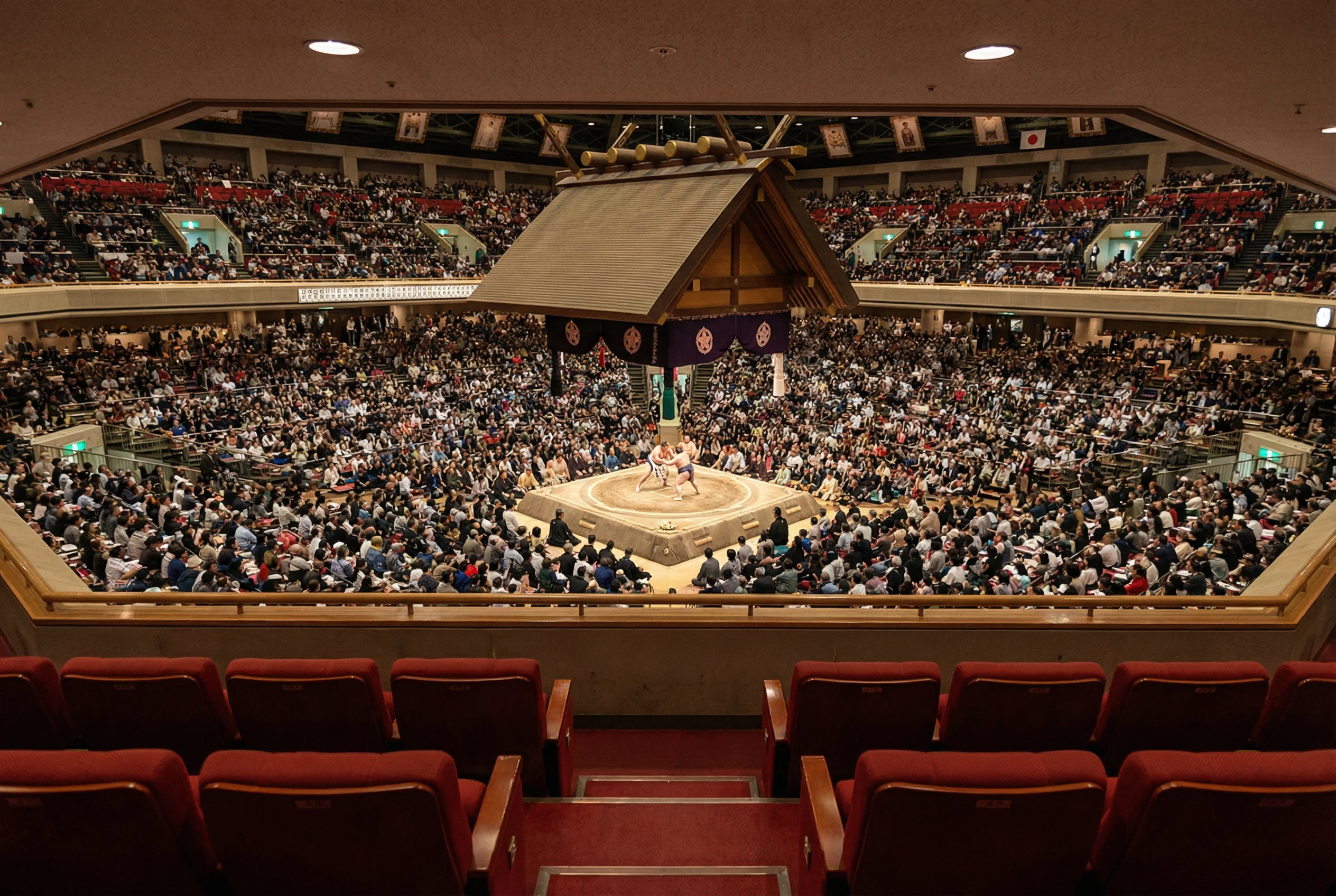
🎭 Closing Ceremony (Around 6:00 PM – 6:15 PM)
The tournament day concludes with the yumitori-shiki (bow-twirling ceremony) - a traditional closing ritual performed at the end of each day. A wrestler, typically from the makushita division, mounts the dohyō and performs a series of graceful movements with a traditional bamboo bow (without string).
🏹 The Three Symbolic Actions
- Twirling the bow to drive away evil spirits in the air
- A digging gesture to eliminate demons from the ground
- Shiko (foot stomps) to complete the purification
This is a real spectacle worth witnessing - many visitors unfortunately miss it by leaving early, but it's considered an essential part of the sumo experience.
The ceremony concludes around 6:15 PM, though on the final tournament day (day 15), the entire schedule shifts forward by 30 minutes to accommodate the victory ceremony.
📅 Scheduling Variations (Days 13-15)
| Event | Regular Days (1-12) | Final Days (13-15) |
|---|---|---|
| Gates Open | 8:00 AM | 10:30 AM |
| Preliminary Bouts Start | 8:30 AM | 11:00 AM |
| Jūryō Ring Ceremony | 2:15 PM | 1:45 PM |
| Makuuchi Starts | 4:00 PM | 3:30 PM |
| Closing Ceremony | 6:15 PM | 6:00 PM |
This adjustment allows the Sumo Association to accommodate the championship-deciding matches and potential playoff bouts that occur during the tournament's final stretch.
🎯 Planning Your Visit: Recommended Arrival Times
2:00-3:00 PM (Most Popular)
Best for: First-time visitors, families, casual fans
- ✅ Catch full jūryō ceremony (2:15 PM)
- ✅ See all makuuchi matches (4:00 PM+)
- ✅ Witness yokozuna bouts (5:30-6:00 PM)
- ✅ Stay for closing ceremony (6:15 PM)
- ⏱️ Total time: 4-4.5 hours
1:00-1:30 PM (Photographer's Choice)
Best for: Photography, avoiding crowds, better seats
- ✅ Uncrowded photo opportunities
- ✅ Better seat selection in unreserved areas (see our seating guide)
- ✅ Explore venue before rush
- ✅ See more preliminary action
- ⏱️ Total time: 5-5.5 hours
8:00 AM (Superfan Experience)
Best for: Hardcore enthusiasts, complete experience seekers
- ✅ Watch every single division
- ✅ Follow lower-ranked wrestlers
- ✅ Empty arena atmosphere
- ✅ Maximum photo opportunities
- ⏱️ Total time: 10+ hours (marathon!)
💡 Expert Tips for Tournament Days
- Bring cash - Many food vendors don't accept cards
- Dress comfortably - You'll be sitting for hours (see seasonal clothing guide)
- Arrive on weekdays if possible - Less crowded, better atmosphere
- Stay hydrated - Bring water or buy from vendors
- Plan bathroom breaks during lower-division matches
- Download official app - Real-time match results and wrestler info
🗓️ Tournament Duration
The entire tournament spans 15 consecutive days, with each day following this general structure, creating a full two-week celebration of Japan's national sport. Each wrestler competes once per day, accumulating wins and losses that determine final rankings and potential promotion or demotion. Once you've chosen your arrival time, secure your tickets through our ticket buying guide and plan your route using our transportation guide.