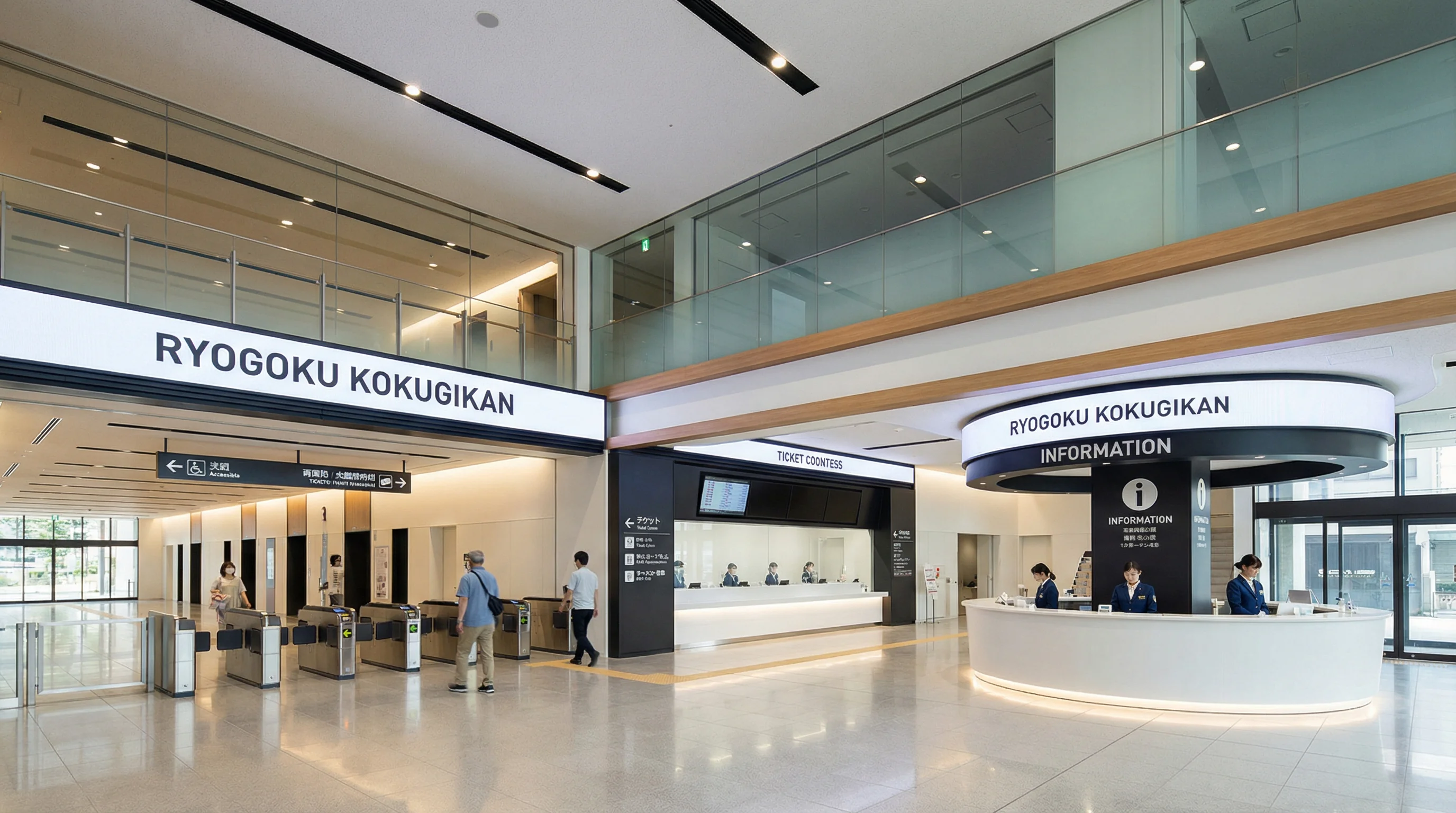
Attending a sumo wrestling tournament is a quintessential Japanese cultural experience, but choosing appropriate attire requires understanding both the climate conditions and the etiquette expectations of this traditional sport.
👔 General Dress Code Principles for Spectators
There are no rigid regulations on what spectators can wear to sumo matches—both Japanese and Western-style clothing are acceptable. However, out of respect for Japan's national sport and its long historical traditions, you should avoid extremely casual, revealing, or flashy clothing.
✅ DO Wear
- Smart casual attire
- Business casual clothing
- Traditional Japanese clothing (kimono/yukata)
- Neat, comfortable outfits
- Outlandish or flashy outfits
- Short mini-skirts or revealing clothing
- Tight skinny jeans (especially for floor seating)
- Large hats that obstruct others' views
- Beach wear or activewear
Many Japanese spectators dress neatly for the occasion, with women often wearing kimonos or formal attire and men sporting suits, reflecting the cultural significance of the event.
🪑 Comfort Considerations for Extended Viewing
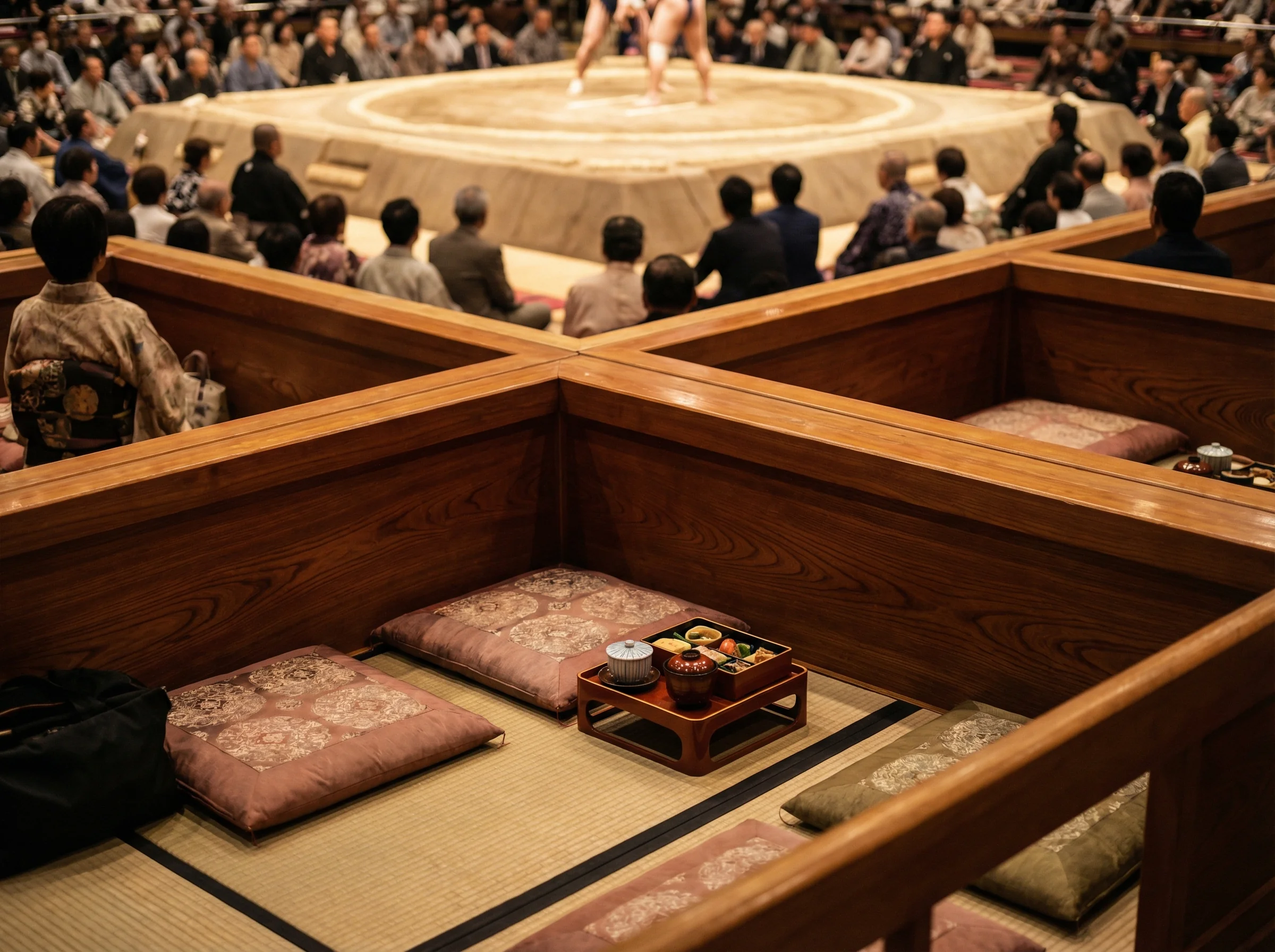
Sumo tournaments are all-day events that can last several hours (see our complete tournament timeline), and comfort is crucial. The type of seating you've chosen (check our seating guide) significantly impacts your clothing decisions.
🎎 For Masu-Seki (Floor Cushion Seating)
If you're sitting in traditional floor cushion seating, you'll need to remove your shoes and sit cross-legged for extended periods. For this arrangement:
- Avoid constrictive clothing
- Choose comfortable pants that allow freedom of movement
- Avoid tight jeans - opt for loose-fitting elastic pants or long skirts
- Wear easy-to-remove shoes (avoid complicated lacing)
💡 Pro Tip
Those who find floor seating challenging should choose arena seats with regular chairs instead. See our Best Seats Guide for comparisons.
🪑 For Arena Chair Seats
Regular Western-style seating offers more flexibility in clothing choices, but you'll still want comfortable attire for several hours of viewing.
🌡️ Seasonal Clothing Guide
❄️ Winter (January Tournament)
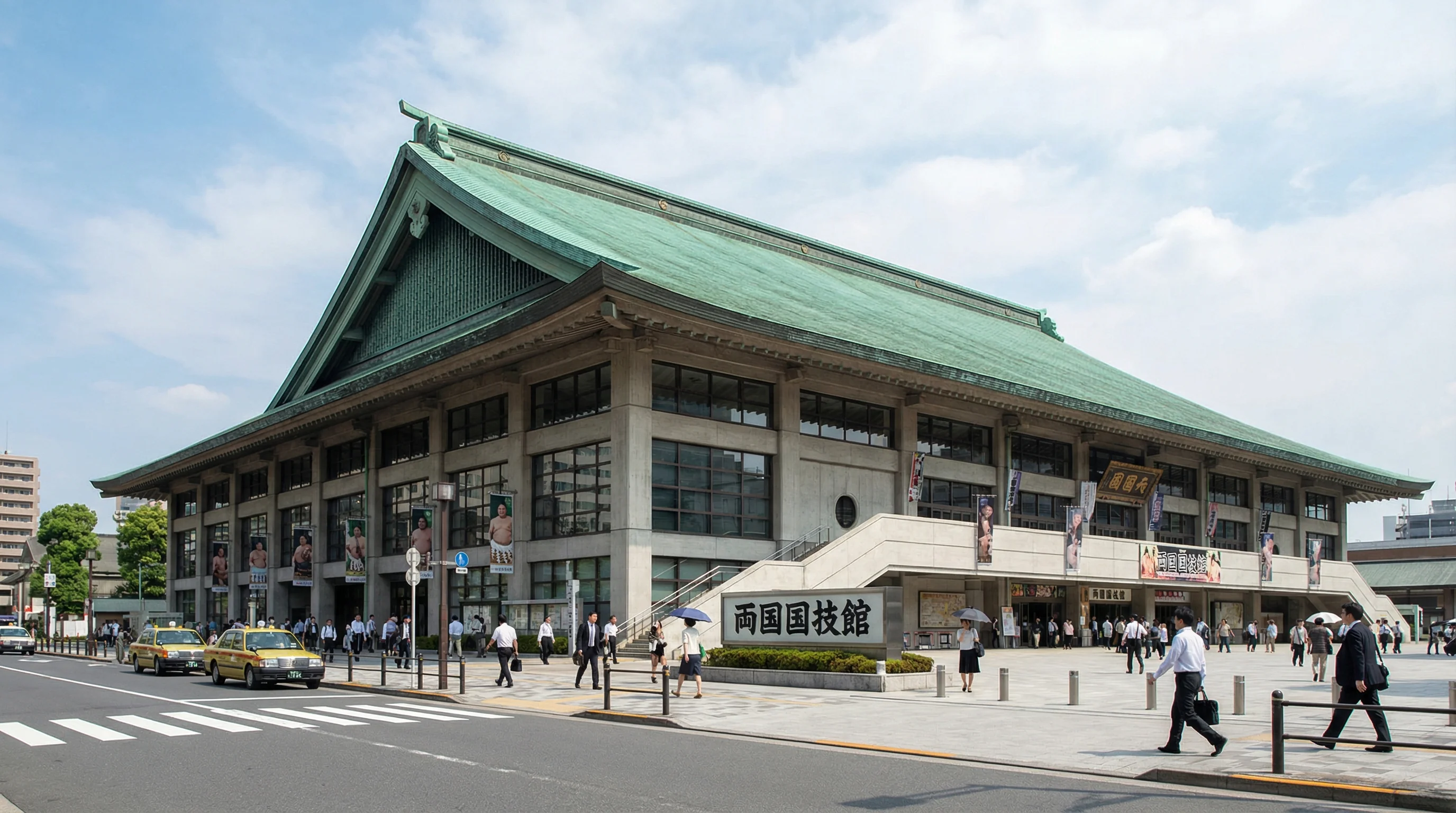
The January basho takes place during Tokyo's coldest season, with temperatures ranging between 2-9°C (36-48°F). The Ryogoku Kokugikan is heated, but the venue can still feel chilly before crowds arrive.
🧥 Winter Outfit Recommendations
- Base layer: Thermal undershirt
- Mid layer: Sweater or long-sleeve shirt
- Outer layer: Medium to heavy coat (you can remove once inside)
- Accessories: Scarf, gloves, boots
Key Strategy: Wear breathable, layered clothing rather than a single heavy coat. The stadium's air conditioning kicks in once crowds build, so layers allow you to adjust throughout the day.
🌸 Spring (May Tournament)
Spring weather is unpredictable with temperature fluctuations throughout the day. Temperatures are generally mild around 15-20°C (59-68°F).
🧥 Spring Outfit Recommendations
- Base: Long-sleeved shirts
- Layers: Lightweight jacket, cardigan, or hoodie
- Rain gear: Umbrella or light rain jacket (late May brings showers)
- Strategy: Multiple light layers for flexibility
🍂 Autumn (September Tournament)
September marks Japan's transition from hot to warm weather. Weather is still relatively warm, but evenings cool significantly.
🧥 Autumn Outfit Recommendations
- Daytime: Short sleeves and light fabrics
- Evening: Long sleeves, light hoodie, windbreaker
- Rain gear: Umbrella or light rain jacket (September is rainy season)
- Late September: Add lightweight sweaters as temperatures drop
📊 Seasonal Attire Summary Table
| Season | Temperature | Recommended Clothing | Key Accessories |
|---|---|---|---|
| Winter (Jan) | 2-9°C (36-48°F) |
Thermal undershirt, sweater, warm coat (removable) | Scarf, gloves, boots |
| Spring (May) | 15-20°C (59-68°F) |
Long sleeves, lightweight jacket, cardigan | Umbrella, light rain jacket |
| Autumn (Sept) | 20-25°C (68-77°F) |
Short sleeves transitioning to long sleeves, light jacket | Umbrella, windbreaker, light layers |
🎒 Smart Packing Essentials
🌡️ Temperature Management
The arena's air conditioning can create significant temperature variations—you may feel cold from AC but warm from crowds and excitement.
Light Jacket
Easy to put on/remove as needed
Folding Fan
Traditional cooling method
Light Wrap
Versatile temperature control
Hand Towel
For sweat or cooling needs
👟 Footwear Strategy
Wear comfortable, easy-to-remove shoes since you may need to take them off for masu-seki seating.
- Avoid complicated lacing systems
- Choose comfortable walking shoes for navigating the arena
- Slip-on styles work best for floor seating
- Plan for walking around the Ryogoku area before/after
🎒 Bag and Storage
💼 Bag Tips
- Keep your bag small enough to fit under your seat
- Coin lockers available on lower floor of Ryogoku Kokugikan
- Compact backpack or small bag prevents obstruction
- Avoid large suitcases or bulky items
👘 Traditional Japanese Dress Recommendation
While not required, wearing yukata or kimono is warmly encouraged by the Japan Sumo Association, particularly during special events.
🎎 "Waso-Day" Special Events
Promotional events offer special gifts and photo opportunities with gyoji (referees) for those dressed in traditional Japanese attire.
If You Choose Traditional Dress:
- Ensure proper fit for extended sitting
- Plan underclothes for seasonal temperatures
- Choose appropriate footwear (zori or geta)
- Consider comfort for 4+ hours of wear
- Bring accessories (obi, tabi socks as needed)
✅ Final Etiquette Tips
🙏 Respectful Attire Principles
- Dress neatly and respectfully for this traditional cultural event
- Avoid beach wear or activewear that suggests casual treatment
- Balance comfort with respect for the occasion
- Consider the crowd - blend in while staying comfortable
- Plan for photography - you'll want to look good in photos!
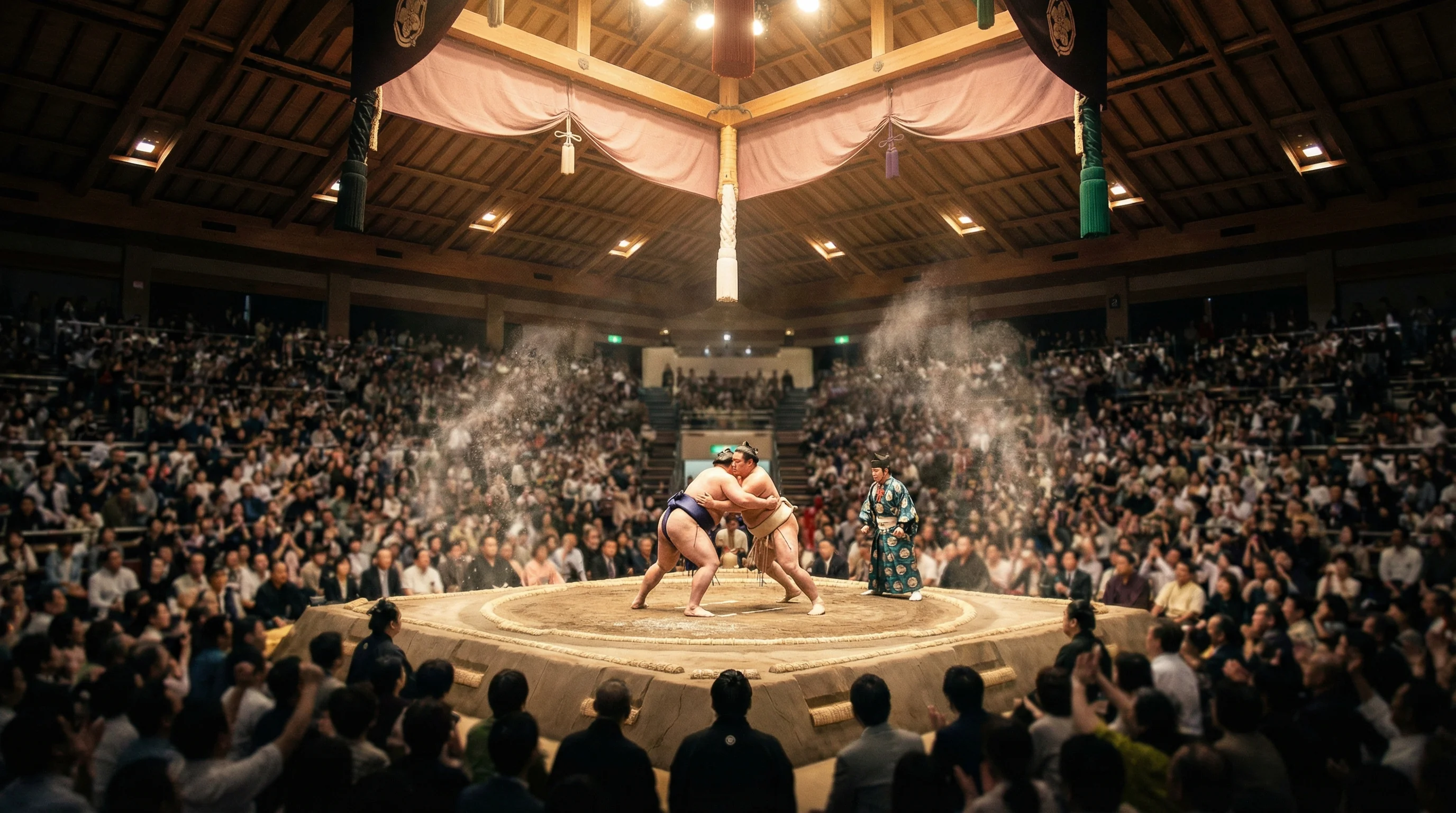
The combination of comfort, practicality, and respect for the occasion creates the ideal spectator experience at sumo—you'll blend seamlessly with the crowd while fully enjoying this remarkable display of Japanese tradition.